
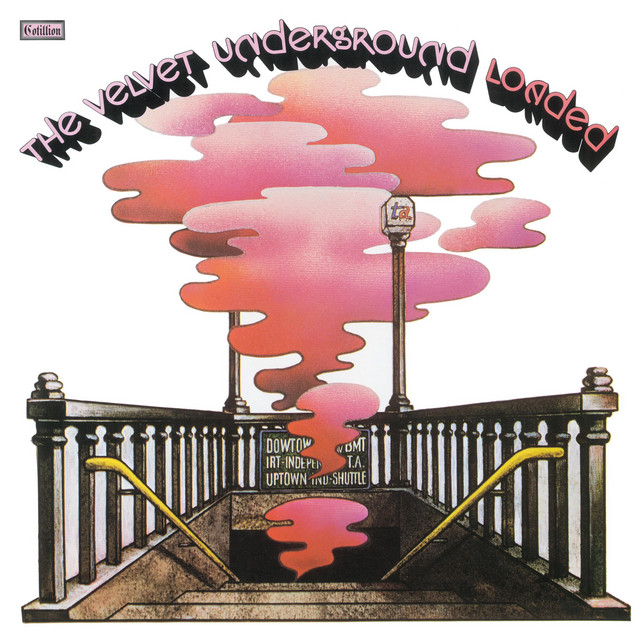
It’s 1970, and the Velvet Underground—those New York misfits who made gritty cool a genre—are no longer Andy Warhol’s art-project darlings. By the time Loaded, their fourth album, hits the shelves, they’re a leaner, poppier beast, but still too raw for the mainstream. And right out of the gate, “Who Loves the Sun” smacks you with a paradox: a sunny, jangling pop tune that’s secretly a middle finger to the universe. It’s the kind of song that greets you like a warm June morning, then slips a passive-aggressive breakup note under your door. And damn, does it slap.
Picture this: you’re a newbie to the Velvets, maybe late to the party in 2025, stumbling across “Sunday Morning” on a playlist and thinking, Cool, vibey. But then you dive deeper, fall headfirst into Loaded, and “Who Loves the Sun” grabs you by the collar. At first, it’s deceptively sweet—acoustic strums bouncing like a lost Beatles track, harmonies so soft they could soundtrack a picnic. Lou Reed’s voice, usually a speak-sing snarl, goes melodic, almost tender, floating over Doug Yule’s steady bass and Sterling Morrison’s bright guitar. It’s the kind of tune you’d hum while skipping stones on a lake, carefree as a summer breeze.
Then the lyrics hit. “Who loves the sun? Who cares that it makes plants grow?” Ouch. Just like that, Reed flips the script. This isn’t a love song—it’s a heartbreak anthem dressed in a Hawaiian shirt. The sun’s shining, the wind’s blowing, the rain’s falling, and Reed’s over it. “Who cares that it is shining?” he sings, each line dripping with the kind of sarcasm you muster after someone’s ripped your heart out. The world’s beauty? Just a cruel reminder of what’s gone. It’s a vibe shift in real time, like smiling through tears at a bar while the jukebox plays something too cheerful.
That’s the genius of “Who Loves the Sun.” It’s musical misdirection, a masterclass in masking pain with pop. The melody stays bright, unwavering, with Moe Tucker’s drums (or maybe it’s Billy Yule, depending on who you ask—Loaded’s credits are a mess) keeping a steady pulse. The harmonies, odd but perfect, add a layer of warmth that makes the lyrical gut-punch land harder. Reed’s not shouting his heartbreak; he’s crooning it, like he’s trying to convince himself the sun doesn’t matter. It’s vulnerable, raw, and so damn human.
Context matters here. By 1970, the Velvet Underground were on their last legs. Reed was burned out, the band’s avant-garde edge softened by Atlantic Records’ push for radio-friendly hits. Loaded was their shot at accessibility, packed with hooks and polish, but still laced with the Velvets’ signature weirdness. “Who Loves the Sun” opens the album like a Trojan horse—pop on the surface, pure Lou Reed cynicism underneath. It’s no accident that this was the band’s final record with Reed before he bolted for his solo career, where he’d perfect that blend of melody and menace in tracks like “Walk on the Wild Side.”
Why does this song still hit in 2025? Because heartbreak doesn’t age. That feeling of shrugging at the sun after a breakup? Universal. The Velvets never chased trends, which is why their music feels timeless, like it’s been waiting in a dusty record crate for you to find it. “Who Loves the Sun” isn’t their biggest track—that’s probably “Sweet Jane” or “Rock & Roll” from the same album—but it’s their sneakiest. It lures you in with its jangle, then leaves you staring at your own reflection, wondering when you got so cynical.
For a newcomer like me, stumbling into the Velvets’ world feels like uncovering a secret society. Their influence is everywhere—Patti Smith, R.E.M., every moody indie band on your Spotify Discover. “Who Loves the Sun” is the perfect gateway: accessible but deep, bright but broken. It’s not just an album opener; it’s a reminder that the best songs don’t always scream for attention. They creep in, settle down, and stay with you, like a memory you can’t shake.
So, spin it. Let Reed’s voice and that deceptively sunny riff wash over you. Feel the sting of his words, the way they turn beauty into a shrug. It’s a heartbreak anthem that smiles through the tears—and it’s one hell of a way to meet the Velvet Underground.