
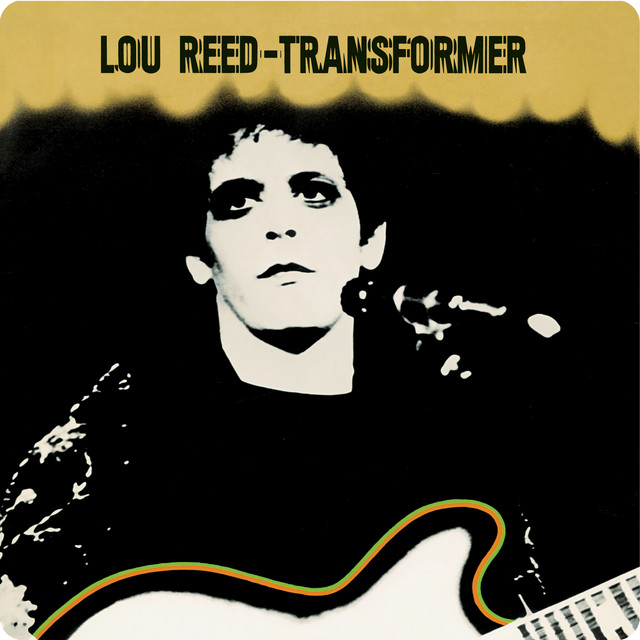
Some songs weren’t made to fit in — they were made to haunt you. To linger in your brain long after the final note, like the ghost of a love you barely remember but still ache for. That’s “Perfect Day,” the velvet-wrapped dagger hidden inside Transformer (1972), Lou Reed’s glam-drenched masterpiece — and one of the most gorgeously unsettling tracks of the ‘70s.
Let’s be honest here: Transformer is already a front-to-back triumph. It’s Reed breaking free from The Velvet Underground’s downtown shadows and stepping into the spotlight with mascara, swagger, and a little help from two rock ‘n’ roll gods — David Bowie and Mick Ronson. Their fingerprints are all over this record. The sequencing is seamless, the instrumentation bold, the vibes equal parts gutter and galaxy. You could write a whole book about it (and someone should), but today, let’s zero in on the song that ties it all together.
“Perfect Day” isn’t the hit. It’s not the loudest, the flashiest, or even the most quotable. But it’s the heart of the record — fragile, strange, and completely unforgettable.
It opens gently, like a lazy afternoon. A simple piano line, subdued bass, soft drums. And then come the strings — delicate, cinematic, just enough to give it that hint of old Hollywood tragedy. Lou’s voice? Deadpan poetry. He’s not crooning, not reaching. He’s just speaking, in that unmistakable Lou Reed way, about feeding animals in the zoo and watching a movie too. Sounds sweet, right?
But then that chorus hits — the melody swells, his voice gets just a little more theatrical, and suddenly you’re not sure if you’re in a love story… or a breakup… or a goodbye.
That’s the thing about “Perfect Day.” On the surface, it’s a simple ode to romantic bliss. But beneath the surface, it’s slippery. The lyrics are vague enough to suggest anything: maybe it’s about Reed’s partner at the time, Shelley Albin. Maybe it’s about addiction. Maybe it’s about his internal war with sexuality, identity, and self-destruction. Or maybe, it’s about all of it. And that’s what makes it such a masterpiece — it shapeshifts depending on who’s listening.
For me? I hear it as a walk through the park with someone who makes you feel like the world’s not so bad after all. But I also hear a goodbye note. A relapse. A memory.
There’s a line in the song that always gets me — “You’re going to reap just what you sow.” It’s repeated over and over, like a benediction… or a curse. It’s hopeful and ominous at the same time, like karma being whispered in your ear while you lie on the grass, trying to freeze a perfect moment before it slips away.
“Perfect Day” is a song for the in-between moments — the messy, beautiful ones. The ones where you’re not sure if this is the happiest you’ve ever been, or the saddest you’ll ever feel again.
It’s music as paradox. Poetic, dramatic, and deeply human.
And yeah, if you’re new to Lou Reed, this is where you start. Not with the raw noise of White Light/White Heat, not with “Metal Machine Music” — but here. With strings, with simplicity, with sorrow disguised as sweetness. You don’t need to have your heart broken to feel this song. But once you’ve lived a little, it hits different.
Just put it on. Let it wash over you. And when it’s over, don’t be surprised if you hit repeat — again, and again.