
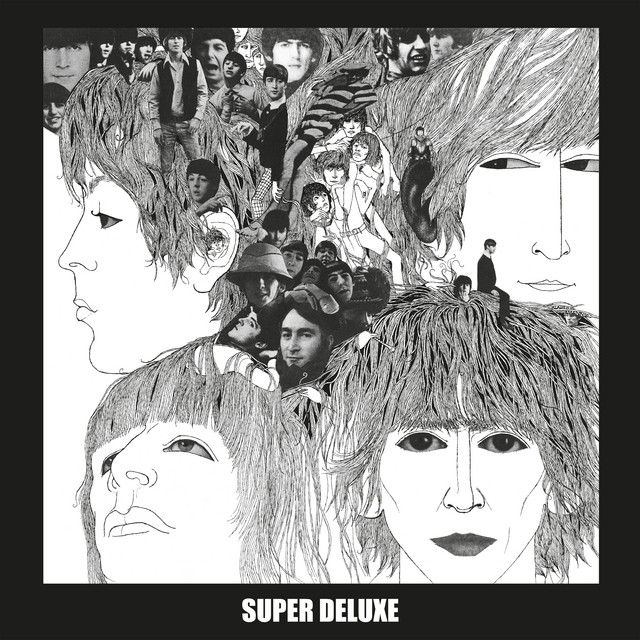
It’s 1966, and the Beatles are done with screaming fans and tour buses. Beatlemania’s fever pitch has left them burned out, so they ditch the stage for Abbey Road’s hallowed studios, trading stadium roars for sonic alchemy. The result? Revolver, a record that doesn’t just push boundaries—it obliterates them. Amid the psychedelic swirl of Tomorrow Never Knows and the orchestral ache of Eleanor Rigby, there’s a track so subtle it could slip past you like a stranger in a crowd: For No One. At just over two minutes, this Paul McCartney-penned ballad isn’t the flashiest cut on the album. It’s not begging for radio play or poster space. But in 2025, when you revisit it, For No One hits like a freight train to the chest—quiet, precise, and devastating. It’s the sound of heartbreak wearing a poker face, and it’s why the Beatles, despite every “overrated” jab, remain untouchable.
Let’s get one thing straight: the Beatles didn’t just shape modern music—they rewrote its DNA. Haters can roll their eyes, claim they’re overplayed, or swear their Aunt Mathilda (who doesn’t exist) could’ve done better. But these four Liverpool lads turned pop into art, blending rock, folk, Indian ragas, and baroque flourishes into soundscapes that still echo in everything from Radiohead to Billie Eilish. By ’66, they weren’t chasing hits; they were chasing truth. Revolver explored identity, longing, even satire, but For No One zeroed in on something rawer: the slow death of love. Not the fiery breakup kind, but the soul-crushing kind where the person you’d die for just… stops caring.
McCartney, barely 24, pours his heart into lyrics so composed they almost feel cruel. “Your day breaks, your mind aches,” he sings, his voice steady but aching, painting a scene of love fading into indifference. It’s not about the fight or the betrayal—it’s about the void left behind. The melody, carried by a harpsichord-like clavichord, has a baroque, almost ragtime lilt, like a memory you can’t shake. Ringo Starr’s drumming is a ghost, barely there, just enough to keep the pulse. Then comes the French horn solo, played by Alan Civil, so stark and elegant it’s like overhearing your own heart crack in a Parisian café. As McCartney told Rolling Stone years later, “It was about a love that didn’t work out, but you still carry it with you.” That’s the sting: it’s not loud, but it lingers.
What makes For No One a Beatles classic isn’t flash—it’s intimacy. For every Sgt. Pepper spectacle or Hey Jude singalong, they could craft a moment like this: small, human, emotionally fluent. It’s the musical equivalent of finding a letter from an old flame under your bed, the ink still sharp enough to cut. In an era where music’s often reduced to TikTok snippets, For No One demands you listen, really listen, and feel the weight. It’s not trying to sell you anything—it’s just telling you how it feels to lose something you thought was forever.
The Beatles’ genius wasn’t just their hooks or their harmonies; it was their courage to experiment, to strip things bare when the world expected bombast. For No One is proof they could break your heart without raising their voice. So, yeah, call them overrated if you want. Roll your eyes at the record store clerk worshipping their vinyl like it’s the Gospel. But press play on For No One, and you’ll get it. It’s not just a song—it’s a mirror. And when that French horn fades, you’re left staring at your own reflection, wondering who you were before the ache set in.