
Here’s the thing—music’s gotta move. And not just rhythmically. It needs to move us—get inside, shake something loose, light a fire, or at least make you stomp your foot and say, “Damn, that hits.”
When a song does all that? That’s when it sticks. That’s when it becomes something bigger than just soundwaves bouncing around your headphones. That’s when it becomes a moment.
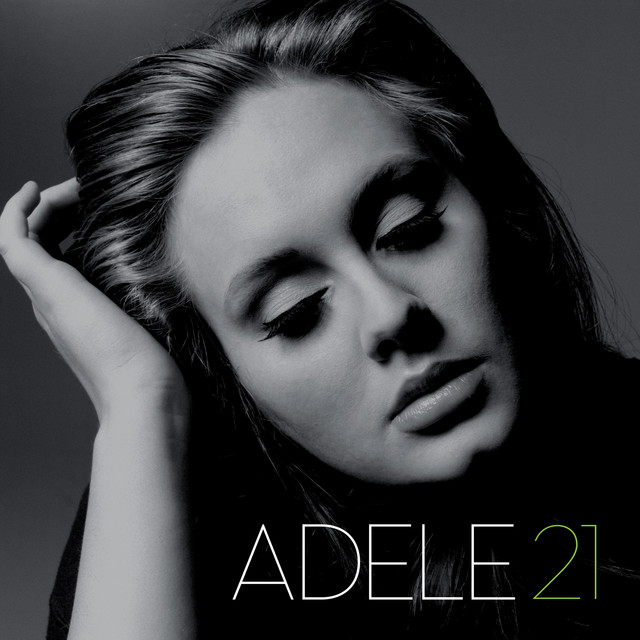
Now, it’s rare for a new artist to sweep the floor at a major music awards show—let alone the freakin’ Grammys. But in 2012, Adele didn’t just win; she bulldozed the competition. At the 54th Grammy Awards, she took home six trophies, including Album of the Year and Song of the Year. It was a flex, sure—but it was also well-earned. Because her 2011 record 21? It didn’t just resonate. It wrecked people in the best way.
And if you want to understand why, you don’t need to go deep into the album. Just press play on track one.
Rolling in the Deep wasn’t just the opener—it was a battle cry. From the first pounding drumbeat, you can feel it in your bones: Adele is not here to wallow. She’s here to reclaim.
The song is this flawless fusion of soul, pop, and blues, but with an edge sharp enough to cut through any radio static. The production—by Paul Epworth—is smart, modern, and minimal in all the right places. You’ve got that chest-thumping kick drum, the tight handclaps, those ghostly piano taps hovering in the background. It all builds a groove that you can’t ignore. It’s gospel rage dressed up in polished pop clothing.
And then there’s that voice.
Adele doesn’t sing this song—she owns it. Her vocals don’t feel filtered or sweetened—they feel ripped straight from her chest. It’s heartbreak turned into power. Her delivery swings between mournful and menacing. She’s been hurt, sure. But she’s not broken. She’s the storm after the heartbreak.
Lines like “We could have had it all” aren’t just lyrics—they’re daggers. By the time she hits the chorus, she’s not asking for sympathy. She’s commanding your attention.
What’s wild is how fresh it still sounds, over a decade later. That beat kicks in, and boom—you’re right back in 2011, remembering where you were when you first heard it. But it doesn’t feel dated. It doesn’t feel like a “retro hit.” It feels alive. Relevant. Necessary.
Because Rolling in the Deep isn’t just a breakup song. It’s a reckoning. It’s a “watch me rise” anthem. It proved that a real, raw voice could still cut through the polish and noise of the pop landscape. In a world full of over-produced, auto-tuned singles, Adele stood out like a cathedral in the middle of a neon cityscape.
That’s why she took home the Grammys. Not because it was a catchy single (though, duh—it was). But because Rolling in the Deep was the sound of someone taking back their power and turning it into pure fire.
And even now, it slaps like it just dropped yesterday. It’s got melody, rhythm, soul—and that unshakable feeling that you’ve just been through something.
Adele didn’t just make a hit. She made a moment. A movement. A musical punch to the gut that still leaves a mark.