
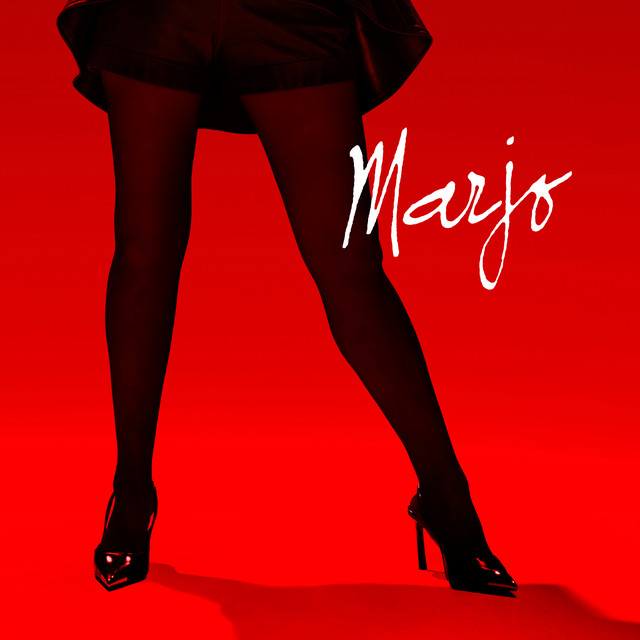
It’s 1986, and Montreal’s buzzing like a hive of feral cats—neon signs flickering over snow-dusted streets, the air thick with poutine steam and the echo of Quebec’s rock revolution. Marjolène Morin, the firebrand better known as Marjo, has just ditched her hard-rock throne with Corbeau, that blues-folk powerhouse she helped blaze across the francophone scene since ’79. She’s 33, a former model turned chanteuse with a voice like a velvet switchblade, and she’s betting big on a solo shot: Celle qui va, a record cooked up with guitarist Jean Millaire, her collaborator on some 40 tunes. It’s a pivot from Corbeau’s gritty anthems to something rawer, more personal. But one track? “Chats Sauvages”? Marjo nearly clawed it off the tracklist. Too soft, she figured—not edgy enough for her image as Quebec’s rock mama, more lullaby than lightning bolt. “It wasn’t direct enough,” she’d later admit in a BAnQ interview, her eyes twinkling with hindsight. “Felt too ‘baby’ for me.”
Fate, that sly producer, had other plans. “Chats Sauvages” didn’t just drop—it detonated. From the album’s November launch at a packed Olympia Theatre, it raced up the charts, selling 250,000 copies of Celle qui va and snagging Félix Awards for Rock Album and Female Artist of the Year in ’87. Suddenly, Marjo wasn’t just a rocker; she was a Quebec icon, her voice the soundtrack to a province shaking off its chains. And “Chats Sauvages”? It became the hymn to liberté—known to every soul from the Gaspé to the Laurentians, a declaration that you can’t tame what’s wild inside.
Listen close, and you’ll get why it clings like cat fur on your coat. The melody’s electric, a hook that grabs you by the collar and doesn’t let go. That guitar tone—bright, single-coil snap—leans twangy without tipping into country schlock, courtesy of Millaire’s wizardry. It’s raw, textured, rooting the track in Marjo’s rock bones while adding a shimmer of ’80s gloss. The beat? Tight as a drumhead in a winter gale—drums that don’t just march, they charge, yanking you into the fray whether you’re belting it at a karaoke bar or humming it on the métro. Then the synths slink in, layering a magical haze, like stardust over a street fight. It’s a sonic cocktail: equal parts obsession and liberation, clocking in at under four minutes but stretching forever in your skull.
But the real fangs? Marjo’s voice. Timeless, yeah—that’s no exaggeration. Soft as a whisper in a confessional, commanding as a rally cry. At 70-something now, she still belts it like she’s 33, raw and unfiltered, the kind of timbre that could melt snowdrifts or shatter pint glasses. On “Chats Sauvages,” she channels the lyrics’ core: freedom as a battle, independence as a roar. “On n’apprivoise pas les chats sauvages,” she sings—You don’t tame wild cats, any more than you cage birds of the earth. Let ’em come and go, love ’em without leashing. It’s a metaphor for lovers, sure, but bigger: a feminist flick at Quebec’s ’80s soul, refusing the cages of expectation, whether from lovers, society, or the grind of daily life. Marjo, who’d fronted Corbeau’s bluesy thunder and sung in smoky Saint-Denis blues dives post-breakup,pours it all in—tenderness from a tough broad, seduction from a survivor compared to Piaf or Monroe. One of the first Quebec rockers to wield sensuality like a weapon, she makes heartbreak sound like a victory lap.
The cultural claws run deep. “Chats Sauvages” didn’t just chart; it embedded. By the ’90s, it was blasting from every radio in la belle province, a staple at Saint-Jean-Baptiste fêtes and hockey rinks alike. Les Sœurs Boulay covered it in 2013, giving it a folk twist that kept the wildness alive. Fast-forward to 2023, and Quebec’s tourism board flips it into an electro banger by Mayfly duo—two versions, French and bilingual—to lure wanderers with lines about untamed hearts and open roads. Hell, even Reddit threads light up with Quebecers quoting it like scripture: “On n’emprisonne pas les cœurs volages”—You don’t jail flighty hearts. At a 2017 Plains of Abraham gig, Marjo—then 64—roared it out to thousands, her voice defying time like the song itself. It’s not nostalgia; it’s a living pulse, echoing in everything from indie playlists to protest chants.
Marjo’s no stranger to surprises. Post-Celle qui va, she dueted with Gerry Boulet on “Les Yeux du cœur,” a chanson Québécoise classic, then dropped Tant qu’il y aura des enfants in ’90, cementing her as one of Quebec’s greatest. But “Chats Sauvages” endures because it’s Marjo unfiltered: a rocker who got tender and conquered anyway. In her BAnQ chat, she laughs about it now—“A surprise? Totalement! But hey, if it sets spirits free, who am I to cage it?”
Some songs stumble into hits. Others claw their way to immortality. “Chats Sauvages” did both—and nearly 40 years on, it still prowls Quebec’s streets, speakers, and souls. Crank it up, let it scratch that itch. Some tracks fade to purrs. This one? It roars eternal.