
Artificial Intelligence. You’ve heard of it. You’ve seen it. You’re probably already using it. AI has exploded into our lives like a headliner crashing an opening set—loud, sudden, and impossible to ignore. And while we humans are natural-born adapters, we usually like our change slow-cooked, not served raw and lightning-fast like this.
We didn’t expect it to come this fast. One minute we were toying with basic algorithms, the next we’ve got AI pumping out symphonies, painting portraits, writing poems, and—yes—crafting entire songs. It’s like being sucker-punched by the future while we were still fumbling with the aux cord.
But let’s cut to the chase: AI and music. It’s happening. And it’s a wild, weird, and at times wonderful space. It’s not all dystopian doom. There are definite perks—like production tools that open up sonic possibilities we couldn’t dream of five years ago. Think unimaginable synth textures, lyrics on demand, and custom beats created with a keystroke. You can literally type “make a moody lo-fi track about heartbreak and cold brew” and AI will spit it out before you finish your drink. Kind of incredible. Kind of terrifying.
Sure, we’ve seen hints of this before—synths mimicking instruments, drum machines replacing kits. But there was still a person behind the curtain, guiding the tech, putting in the hours, fine-tuning the feel. Now? The curtain’s pulled back. The wizard is a code.
And that’s where the dilemma kicks in.
Is this evolution… or erasure? Are we supercharging creativity, or just shortcutting it? Because let’s be real: if every chord, every lyric, every vocal is generated instead of crafted, does the soul of the music get lost somewhere in the binary?
Look at autotune. Originally a tool to smooth out pitch, now it’s a full-blown aesthetic. Cool in moderation, sure—but if it becomes the default, are we still chasing artistry or just chasing perfection?
Then there’s live music. The rise of AI-generated hologram concerts is equal parts thrilling and uncanny. I mean, who wouldn’t want to see ABBA, in their ’70s prime, playing a digital encore? That’s magic. But it’s also… eerie. When does celebration turn into simulation?
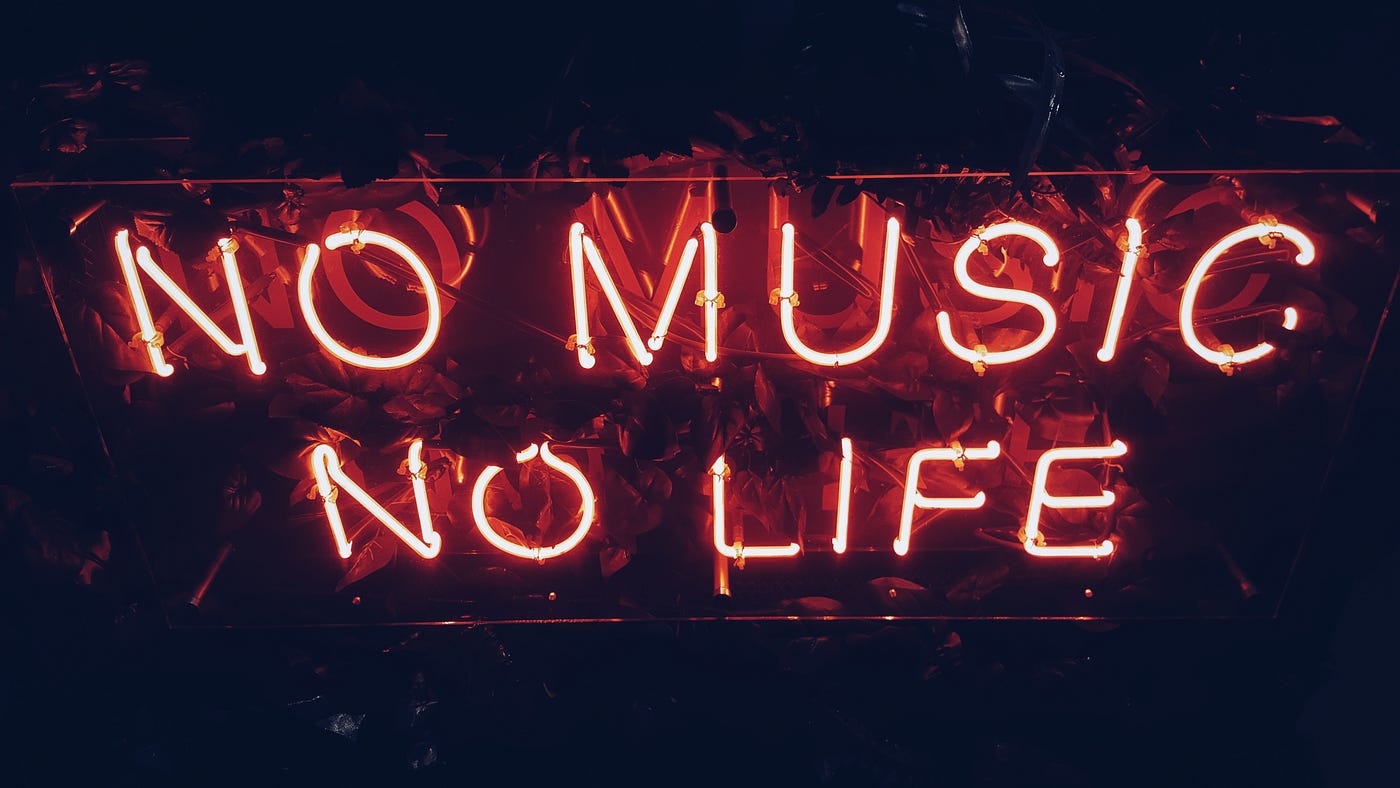
Here’s the truth: music is a sacred experience. It’s human. Messy. Emotional. It’s someone saying, “Hey, this helped me. Maybe it’ll help you too.” That’s why the human touch matters.
Take social media, for example. Yeah, AI curates our feeds—but it’s people like @a1234music, @vinyl_nights_, @theyelllowbutton, and @theweisestband who dig deep to find the gems and share them with heart. You’ve got pages like @tropbieeen spotlighting the underheard, DJ curators like @krisguilty and @la_bonnie spinning sets that feel like something. Independent outlets like Stereogum and Pitchfork—say what you want about their takes, but they’re still people listening.
And that’s what I want: someone to say, “Yo, check this out.” Not a machine predicting my next obsession because I liked three indie records in a row. I want to be surprised. I want music to hit me in the chest, not just match my algorithm.
So yeah—AI has a place in music. It can be a tool. It can even be inspiring. But we have to remember: it’s not the final word. The final word is us. The artists. The listeners. The weirdos obsessing over B-sides at 2 a.m.
We’re not just consuming music. We’re feeling it.
And that? That’s something no robot can replicate.