
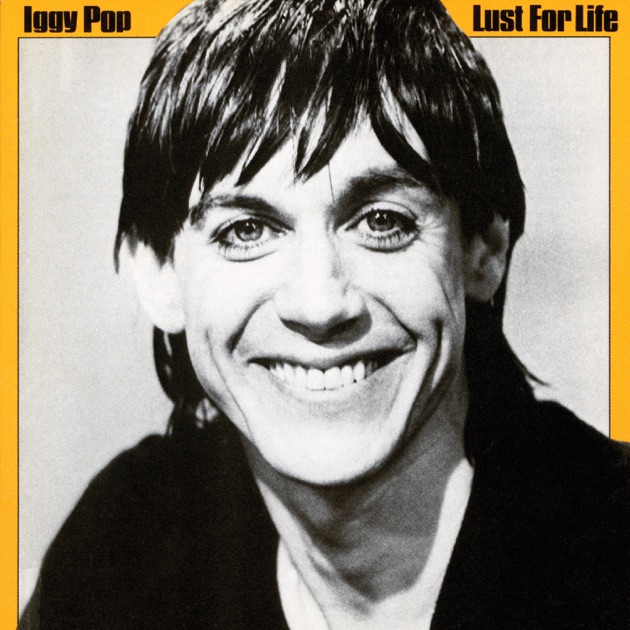
There’s something eerie, almost levitating, about this song. Yeah—I’m dead serious. It’s got that creepy energy, that unsettling tension. But here’s the twist: it also electrifies. It pulses with a strange urgency, like a night drive with no map and too much caffeine. It’s the kind of track that hits you sideways—where the first time you hear it, your reaction might honestly be: What the hell is this?
But give it time. Let it marinate. A few hours, maybe a couple of days. Then, almost without realizing, you’re back at it. Not just out of curiosity—but because it hooked you. The melody, the tempo, the mood… it all starts to make sense in the most deliciously off-kilter way.
The track? “Neighborhood Threat,” from Iggy Pop’s 1977 album Lust for Life. It’s a deep cut—one that often gets overshadowed by titans like “The Passenger” and “Lust for Life.” But listen closely, and you’ll find a hidden gem that cuts deeper than most of the hits.
For me, the first time I heard it, the whole thing felt like chaos barely held together. But then something clicked. That brooding electric guitar that opens the song isn’t just moody—it’s cinematic. I could see the scene unfolding: someone running wild through the streets just before dawn, all adrenaline and shadow. The production leans hard into post-punk, giving Iggy room to push beyond his punk rock comfort zone. It’s raw, it’s tense, and it’s dripping with atmosphere.
Then there’s that voice. Iggy’s delivery here is jagged, deliberately rough around the edges—but never lost. He floats right above the mix, gravelly and haunted. It’s like he’s issuing a warning, one you can’t quite decipher. There’s something out there. Something creeping just around the corner.
A neighborhood threat, if you will.
But here’s the kicker: those background vocals? That’s David Bowie. Yup—the Thin White Duke himself, harmonizing in the shadows. Once you hear it, you can’t unhear it. His distinct presence adds this ghostly texture to the track, making it feel even more otherworldly.
What makes “Neighborhood Threat” such a standout is that it straddles the line between punk’s rawness and post-punk’s structure. This was 1977—punk hadn’t fully blown apart yet. There was still space for songwriting, for chord changes that mattered, for eerie grooves that didn’t just bash your eardrums in. It’s intense without being abrasive, mysterious without being pretentious.
If you’re just getting into punk or post-punk, this track is a portal. It doesn’t scream at you—it lures you in. No glitter, no gloss, no gimmicks. Just analog grit, lyrical tension, and two legends—Pop and Bowie—lurking in the shadows of something way deeper than your average punk banger.
So don’t overthink it. Just hit play, let it hit back, and maybe—just maybe—you’ll find yourself obsessively returning to this one.