
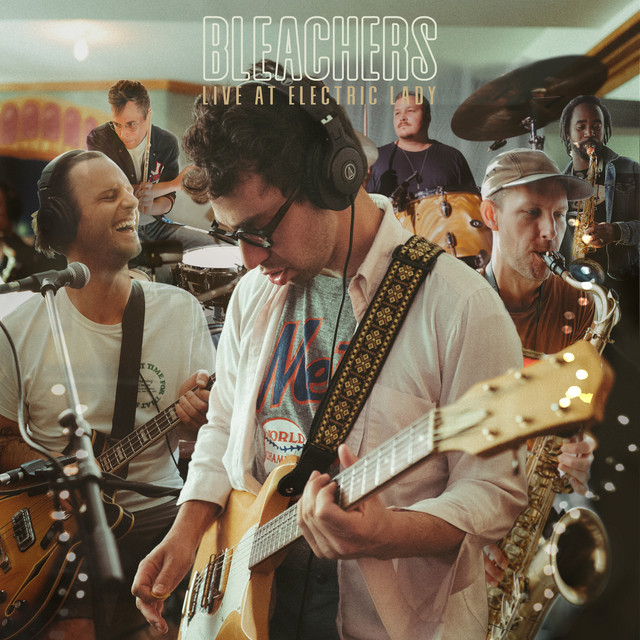
Covers are a tightrope act. Lean too hard into mimicry, and you’re a karaoke act with better gear. Go too wild, and you’ve lost the song’s soul. But every once in a while, a cover lands like a lightning strike—honoring the original while carving out its own space. That’s what Bleachers, led by the ever-restless Jack Antonoff, did with their 2021 take on The Cars’ “Drive.” Recorded at Electric Lady Studios, this isn’t just a cover. It’s a reinvention, a quiet love letter that strips away the ‘80s gloss to reveal a beating, vulnerable heart. And yeah, I’m gonna say it: it might just outshine the original.
The Cars’ “Drive,” from their 1984 album Heartbeat City, is a new-wave cornerstone. Ric Ocasek’s detached croon, those shimmering synths, and that unforgettable melody made it a staple of MTV’s neon-lit reign. It’s a song about longing, about watching someone unravel—“Who’s gonna drive you home tonight?”—but wrapped in a glossy, radio-ready sheen. It’s iconic, no question, a time capsule of ‘80s cool that still sounds fresh when it pops up on a late-night playlist.
Enter Bleachers, Antonoff’s indie-pop brainchild, known for wearing their influences like a vintage jacket—Springsteen’s heartland ache, The Cure’s moody swirl, and, yes, The Cars’ synth-soaked precision. But their “Drive,” recorded for a Spotify Singles session, doesn’t lean into nostalgia. It reframes it. Gone are the polished keyboards and ‘80s sheen. In their place: warm acoustic guitars, a subdued rhythm section, and Antonoff’s voice, delicate yet intense, like he’s singing to someone just out of reach. It’s not a cover that shouts—it whispers, lingers, floats.
The first time I heard it, I didn’t even clock it as a cover. That’s how seamless it feels, like Bleachers wrote it in a late-night haze and let it spill out. Antonoff’s vocals don’t mimic Ocasek’s cool detachment; they lean into vulnerability, cracking just enough to let the emotion seep through. “You can’t go on, thinking nothing’s wrong,” he sings, and it’s less a question, more a quiet plea. The arrangement is sparse but deliberate—acoustic strums carry the melody, a soft drumbeat keeps it grounded, and then, oh man, that saxophone. It doesn’t blare like some ‘80s relic; it sighs, a gentle exhale that drifts in like a memory, adding a layer of intimacy that hits you right in the chest.
This wasn’t a casual jam. Electric Lady Studios, where Antonoff’s practically a resident, is hallowed ground—Jimi Hendrix’s old haunt, where Bowie and Lennon once roamed. Recording there in 2021, Bleachers crafted something meticulous yet raw, a cover that respects The Cars’ blueprint but paints it in their own colors. Antonoff, a producer who’s shaped hits for Taylor Swift and Lana Del Rey, knows how to balance heart and craft. Here, he strips “Drive” to its core, finding the ache beneath the polish.
Why does it work so well? Because Bleachers don’t try to outdo The Cars—they reimagine them. The original is a perfect slice of ‘80s pop, but it’s distant, almost cinematic. Bleachers’ version is closer, more human, like a late-night confession in a dimly lit bar. The saxophone, played with a restraint that feels almost mournful, seals the deal. It’s not showy; it’s soulful, a touch that says this band poured everything into getting it right.
Purists might scoff—how dare anyone touch a classic? And sure, The Cars’ “Drive” is untouchable, a song that defined an era. But Bleachers don’t compete; they converse. Their version is a dialogue with the original, a nod to its beauty while offering something new: vulnerability over coolness, intimacy over gloss. In 2025, when nostalgia can feel like a cheap trick, Bleachers’ “Drive” stands out for its honesty. It’s not trying to be the ‘80s—it’s speaking to now, to the quiet moments when you’re driving alone, wondering who’s got your back.
Spin it, and you’ll hear it: a melody that glows, a sax that sighs, a cover that doesn’t just honor “Drive” but makes it feel alive again. It’s a slow burn that lingers long after the last note fades.