
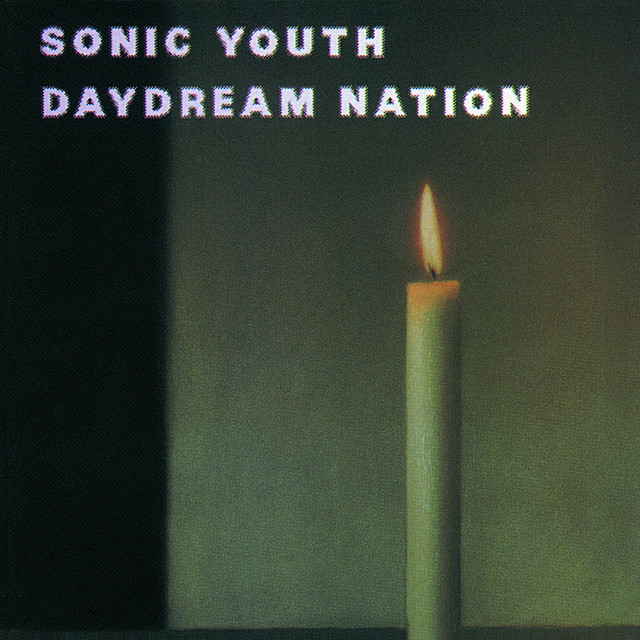
It’s 2025, and the world’s a pressure cooker—culture wars raging on X, climate headlines screaming, and everyone’s got an opinion sharper than a switchblade. So when you stumble across Sonic Youth’s “Teen Age Riot,” a track from 1988 that feels like it could’ve dropped yesterday, it’s like finding a cold beer in a desert. Some songs hook you from the first note. Others, like this one, take their sweet time—79 seconds, to be exact—before they blow the roof off and make you a believer.
Picture it: You’re spinning Daydream Nation, Sonic Youth’s double-LP masterpiece, for the first time. The opening of “Teen Age Riot” creeps in like a stranger at a dive bar. A looping guitar riff, repetitive, hypnotic, borderline obnoxious, slinks around Kim Gordon’s spoken-word murmur: “Spirit desire / We will fall.” The drums? Slow as a Sunday hangover, barely keeping time. You’re thinking, Is this it? Am I stuck in some avant-garde purgatory? Then, at 1:19—boom. The distortion roars, the tempo kicks into gear, and Thurston Moore’s vocals crash through like a skateboarder busting out of a trance. Suddenly, it’s not just a song—it’s an anthem, buzzing with scuzzy guitars and a raw, rebellious pulse that makes you want to raise a fist or a pint.
Let’s rewind to ‘88. Sonic Youth—Gordon, Moore, Lee Ranaldo, and Steve Shelley—were New York’s noise-punk alchemists, brewing chaos in a Lower East Side scene where art and grit collided. Daydream Nation, their fifth album, was a game-changer, blending no-wave edge with pop bones. “Teen Age Riot,” the lead single, was their unlikely radio bid, clocking in at nearly seven minutes yet cracking the Billboard Modern Rock Tracks chart at No. 20. Critics lost their minds—Pitchfork later called it “the sound of a band hitting its stride,” and Rolling Stone dubbed the album a landmark. Lyrically, it’s a call to arms for disaffected youth, with Moore dreaming of a “teenage riot” rallying behind a figure like J Mascis of Dinosaur Jr. (yep, that’s who he’s singing about). But the song’s less about politics and more about vibe—a loose, wild night where the world feels alive with messy joy.
For a newbie, it’s a slow seduction. That opening riff, built on a chiming interplay between Moore and Ranaldo’s detuned guitars, is Sonic Youth’s secret weapon: patience. “We wanted it to feel like a spell, then a release,” Gordon once said in a Spin interview, and damn if they didn’t nail it. The production—helmed by the band and Nick Sansano—layers feedback and melody like graffiti on a subway car, raw but deliberate. By the time Moore’s voice cuts in, shouting, “You’re it, no, you’re it!” you’re not just listening—you’re in it, swept up in a mosh pit of sound.
Why does it still hit? Maybe it’s the defiance. In ‘88, Reagan’s America was glossy and greedy; Sonic Youth were the misfits flipping the bird. In 2025, with the world feeling like one big dumpster fire, that spirit’s a lifeline. You hear it in dive bars where “Teen Age Riot” blasts from a jukebox, pints raised, voices shouting along to words they barely know. You feel it in the way Gen Z bands like Wet Leg or Fontaines D.C. channel that same scrappy energy, proving the underground never dies—it just gets louder. The song’s been covered, sampled, and worshipped—Arcade Fire paid homage in their early sets, and it’s a staple on alt-rock playlists streaming into earbuds everywhere.
“Teen Age Riot” isn’t just a track; it’s a moment. It’s the crowded pub at midnight, the night peaking as friends scream-laugh and spill their drinks. It’s the fleeting high of being young, or at least feeling it, no matter how old you are. What starts as an awkward riff ends up legendary—a slow burn that catches fire and never burns out. So crank it up. Let those guitars wail. And for seven minutes, let the world be as wild and free as you are.