
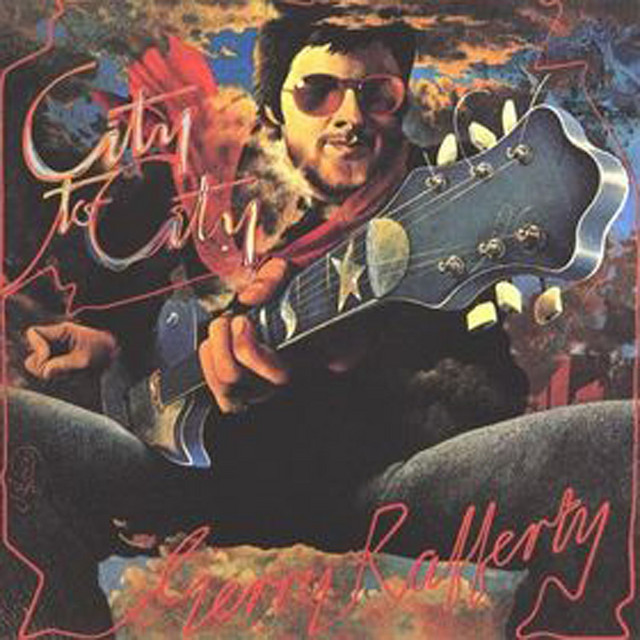
It was a lazy summer afternoon in 2024, the kind where the air feels like a warm blanket and time slows to a crawl. I was sifting through a playlist, half-distracted, when Gerry Rafferty’s Right Down the Line slipped through my speakers and stopped me cold. This wasn’t just a song—it was a vibe, a time machine, a soft-rock spell cast from 1978. That Fender Rhodes organ hummed like smoke curling through sunlight, wrapping me in a glow I didn’t know I needed. Weeks later, it was still on repeat, a quiet obsession that felt like a secret I’d been let in on. How had this gem stayed buried in the vaults of my musical memory?
From the opening bars of Right Down the Line, tucked into Rafferty’s City to City album, you’re hooked. The Fender Rhodes, played by Tommy Eyre, weaves a dreamy, almost sacred layer, like a hymn you didn’t know you believed in. It’s subtle but hypnotic, the kind of sound that makes you close your eyes and drift. The drums—steady, unhurried—anchor the track like a heartbeat, while Hugh Burns’ electric guitar drops clean, wistful notes that sting just enough to linger. And then there’s Rafferty’s voice: no frills, no theatrics, just a mellow, lived-in delivery that feels like a friend confiding over a late-night drink. It’s not Baker Street’s saxophone wail, but it’s every bit as potent—quieter, wiser, deeper.
Gerry Rafferty, the Scottish troubadour behind Stealers Wheel’s Stuck in the Middle with You, was no stranger to crafting hits that stuck. After his folk-rock days with the Humblebums and a legal tangle that sidelined him, City to City was his 1978 comeback, a soft-rock masterpiece that sold millions and birthed Baker Street. But Right Down the Line, the album’s second single, is the real heart of the record. Peaking at No. 12 on the Billboard Hot 100, it was a sleeper hit, overshadowed by its sax-driven sibling but no less enduring. This was Rafferty at his peak, distilling love’s quiet strength into four minutes of pure, unpretentious magic.
Soft rock in the late ’70s was having a moment—Yacht Rock, if you buy the nickname. Think Toto’s Hold the Line, Michael McDonald’s Doobie Brothers croon, or Christopher Cross sailing away. It was music for FM dials and open roads, polished but soulful, and Right Down the Line fit right in. Yet it stood apart, too. Where others leaned into glossy production, Rafferty kept it raw, letting the song breathe. The lyrics—“You know I need your love / You’ve got that hold over me”—flirt with saccharine but land sincere, painting a love that’s steady, not stormy. It’s devotion without the drama, the kind that doesn’t need a spotlight to shine.
What makes the song timeless is its restraint. Rafferty doesn’t belt; he leans in, his voice carrying the weight of someone who’s lived through love’s highs and lows. The instrumentation follows suit—every note serves the mood, from the Rhodes’ smoky hum to the guitar’s gentle ache. It’s a masterclass in less-is-more, a reminder that you don’t need pyrotechnics to move someone. In a world of TikTok snippets and algorithm-driven bangers, Right Down the Line feels like a rebellion—a song that demands you listen, really listen, to feel its warmth.
The 2024 Grammys didn’t look back to honor City to City’s legacy (no surprise, they’re too busy chasing trends), but that’s fine—Rafferty’s masterpiece doesn’t need a trophy to prove its worth. It’s the kind of track that finds you when you need it, whether you’re cruising down a coastal highway or just staring out a window, lost in thought. For me, it was a summer lifeline, a reminder that music can still surprise you, still wrap you in its glow. If you haven’t spun Right Down the Line lately—or, God forbid, ever—do yourself a favor. Plug in, let that Fender Rhodes hum, and glide right down the line with Gerry. You’ll wonder how you ever missed it.