
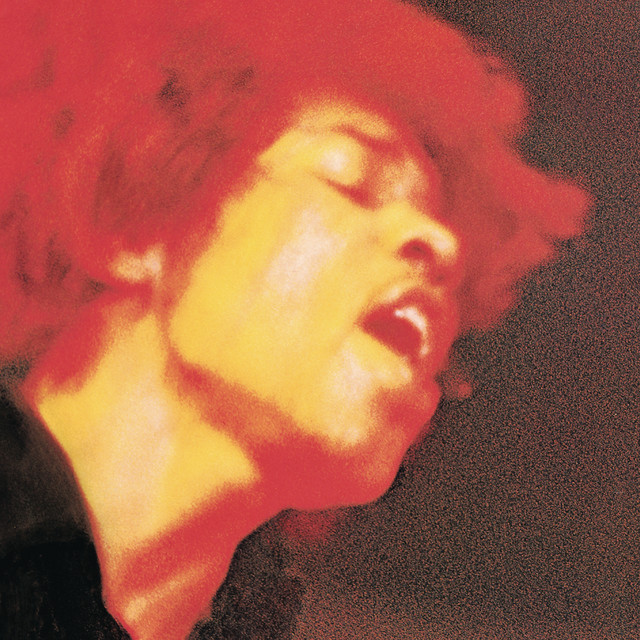
It’s 1968, and the world’s craving something louder than folk strums and hippie dreams. Enter Jimi Hendrix, a sonic alchemist who takes Bob Dylan’s “All Along the Watchtower” and turns it into a psychedelic storm that still shakes the earth in 2025. From his masterpiece Electric Ladyland, this isn’t just a cover—it’s a reinvention, a three-minute car chase through a neon-lit apocalypse. Dylan may have penned the prophecy, but Hendrix delivers the sermon, drenching it in electric fire and raw, unapologetic power. In a world drowning in auto-tuned sludge, this track is a middle finger to the mundane, a reminder that rock can be dangerous, emotional, and mind-blowingly alive. If you don’t think this is Hendrix’s finest hour, that’s your funeral, not mine.
I first felt “All Along the Watchtower” like a bolt from the sky, spinning Electric Ladyland on a late-night binge, the kind where the world fades and the music takes the wheel. That opening guitar riff—sharp, swirling with delay and reverb—hits like a warning shot in a ‘70s crime flick, all high stakes and no brakes. Hendrix’s Stratocaster doesn’t just play; it speaks, weaving through Mitch Mitchell’s relentless drums and Noel Redding’s pulsing bass like a getaway car dodging sirens. Then Jimi’s voice slides in, raw yet controlled, carrying Dylan’s cryptic tale of jokers and thieves with a weight that’s both haunting and electric. It’s not a song—it’s a scene, a moment where you’re gunning it, heart pounding, knowing shit’s about to go down.
What makes this track a masterpiece is Hendrix’s sorcery. He strips Dylan’s acoustic parable to its bones, keeping the lyrical spine—“There must be some kind of way outta here”—and sets it ablaze with his own vision. The guitars are pure chaos, layered with wah-wah and reverb that swirl like smoke in a dive bar, yet every lick is deliberate, every pause a held breath. That solo? It’s not just notes; it’s a conversation, teasing in bursts before erupting into a seismic wail that feels like the sky splitting open. The production, helmed by Hendrix himself with Eddie Kramer, is tight yet untamed—raw without being messy, electric without being overdone. Every instrument locks in, a trio so synced it’s like they’re sharing a pulse, driving the track to rock-and-roll immortality.
The song’s energy is cinematic, like you’re in a high-speed chase, tires screeching, with no time to look back. It’s psychedelic but grounded, mystical but urgent, capturing that late-‘60s hunger for something new—fuck the routine, let’s experiment. Hendrix wasn’t imitating Dylan; he was rewriting the rulebook, turning a folk tale into a storm of sound that screams freedom. It’s no wonder this track became a staple, a gateway drug for anyone dipping into rock. Zoomers raised on algorithmic pop hear it and their jaws drop—no auto-tune, no filler, just pure, unfiltered soul. Hendrix didn’t need a filter; he was the filter, channeling raw emotion into every chord.
“All Along the Watchtower” isn’t just a cover—it’s a blueprint for how to take someone else’s vision and launch it into the cosmos. It’s accessible yet explosive, emotional yet badass, a song that feels like running for your life and loving every second. In 2025, it’s a time capsule of power, a slap to the face of sanitized pop. Spin it for a kid weaned on digital beats, and watch their world shift. Dylan wrote the words; Hendrix turned them into lightning. So crank it loud, let that solo rip through you, and join the revolution. This is rock at its most dangerous—and its most divine.